
IoT Devices and Sensors in India
At Aeologic, we help enterprises deploy advanced IoT sensors and devices for monitoring, automation, and predictive insights.
Request a Quote
IoT Devices and Sensors
Explore a wide range of IoT devices and sensors designed to collect, monitor, and transmit real-time data across industries. Improve operational visibility, enhance decision-making, and automate processes with reliable and easy-to-integrate smart solutions.
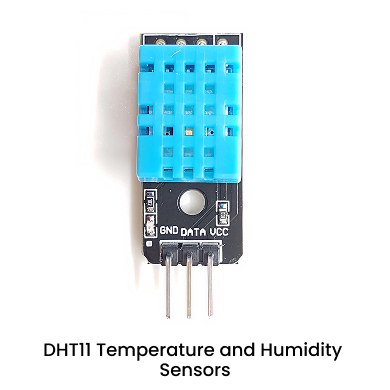
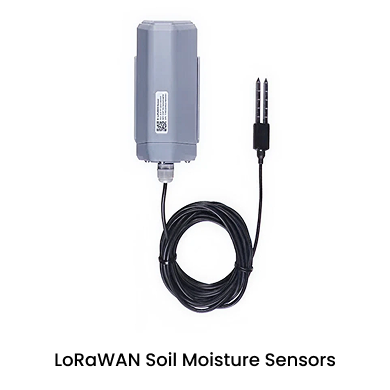
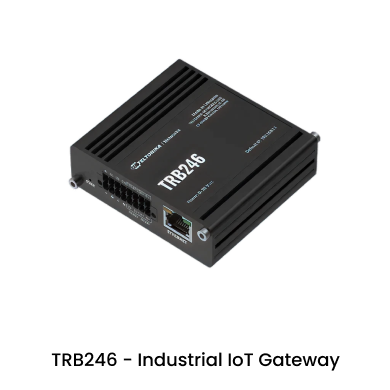
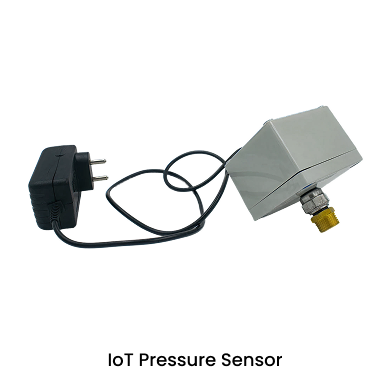
DHT11 Temperature and Humidity Sensors
DHT11 sensors measure temperature and humidity, offering low-cost, reliable data for IoT projects.
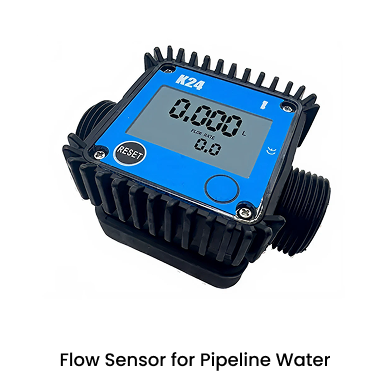
Flow Sensor for Pipeline Water
Pipeline flow sensor measures water flow accurately, ensuring efficient monitoring and system control.
Benefits of Barcode Scanners and Printers
Real-Time Monitoring
Track environmental conditions, assets, and operations instantly.
Cost Optimization
Reduce downtime, energy consumption, and operational costs.
Improved Efficiency
Automate processes and reduce manual intervention.
Remote Access
Monitor and control devices from anywhere.
Enhanced Visibility
Gain complete insights into operations and performance.
Predictive Maintenance
Identify issues early and prevent equipment failures.
Frequently Asked Questions
Find answers to common questions about our services, processes, and expertise.
IoT devices and sensors are smart devices that collect and transmit data over the internet to monitor and manage systems in real time.
They are used in industries like manufacturing, logistics, healthcare, agriculture, smart cities, and energy management.
Common sensors include temperature, humidity, motion, pressure, proximity, and GPS tracking sensors.
Yes, most IoT devices use internet connectivity, but some can store data locally and sync when connected.
Yes, IoT solutions can integrate with ERP, cloud platforms, and analytics tools for seamless operations.
Modern IoT devices use encryption and secure protocols to protect data and prevent unauthorized access.
It helps businesses respond quickly to issues, improve efficiency, and make informed decisions.
They optimize resource usage, prevent failures, and automate tasks, leading to significant cost savings.